

Creating a commercial space that suits your small business requires more than finding a convenient location and filling it with equipment. Every aspect of the property, from its structural integrity to its interior design, influences how effectively your business operates. The right improvements can make your workplace safer, more comfortable, energy-efficient, and appealing to customers. Whether you are opening a new location or renovating an existing property, investing in the right materials, services, and professional expertise can make a lasting difference. Understanding the following considerations will help you create a commercial environment that supports your daily operations and long-term business goals.
Why Is It Important to Choose the Right Commercial Roofing Companies?
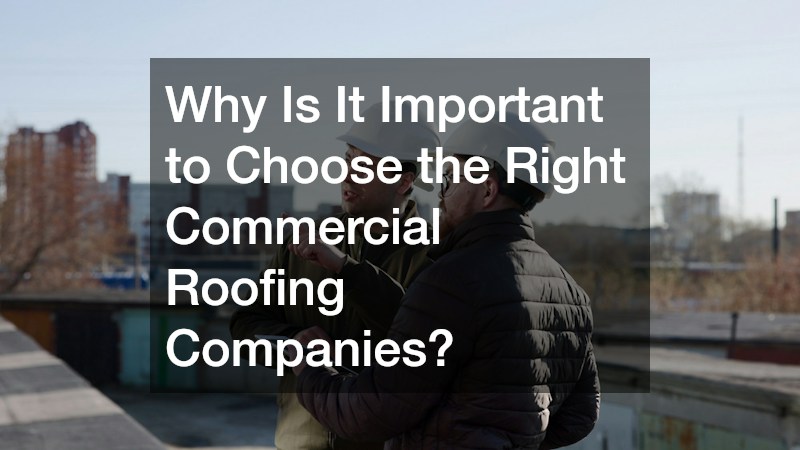
A reliable roof protects your commercial property, employees, inventory, and equipment from weather-related damage. Working with experienced commercial roofing companies helps ensure that your building has a dependable roofing system suited to its structure and intended use.
Understanding Roofing Materials and Quality
Commercial buildings can accommodate several roofing materials, including metal, modified bitumen, EPDM, and TPO membranes. Each offers different advantages regarding durability, installation requirements, and maintenance. A quality roofing system should provide dependable weather protection while supporting the building’s energy efficiency.
When evaluating contractors, consider their experience with your particular roofing system, licensing, insurance, warranties, and references. Although lower installation estimates can be tempting, comparing upfront costs with expected service life provides a better understanding of long-term value.
Maintaining Your Commercial Roof
Regular inspections help identify damaged flashing, deteriorating seams, drainage problems, and other issues before they become expensive repairs. Establishing a maintenance schedule with a qualified contractor can extend the roof’s lifespan and help protect your investment.
How Do Asphalt Services Benefit Your Commercial Property?
The condition of your parking lot, driveways, and access roads influences both property appearance and everyday convenience. Professional asphalt services help create smooth, dependable surfaces that accommodate employees, customers, delivery vehicles, and other commercial traffic.
Advantages of Asphalt Pavements
Asphalt is popular for commercial properties because it offers relatively quick installation, durability, and straightforward maintenance. Its smooth surface provides comfortable access for vehicles while helping establish an organized parking area.
Choosing between asphalt, concrete, and alternative paving materials depends on traffic volume, climate, drainage requirements, and available funding. Asphalt can be particularly practical for businesses that need extensive parking or regularly accommodate delivery vehicles.
Improving Appearance and Longevity
A well-maintained parking lot creates a positive first impression before customers even enter your building. Fresh pavement markings, clearly defined parking spaces, and properly maintained entrances contribute to a professional appearance.
Sealcoating, crack filling, and timely repairs help protect asphalt against moisture penetration and surface deterioration. Businesses should also consider drainage improvements to prevent standing water from accelerating pavement damage. These relatively routine investments can reduce the likelihood of expensive reconstruction.
What Is the Role of Commercial Silicone Coating in Maintaining Your Space?
Protecting an existing commercial roof does not always require replacing the entire system. Commercial silicone coating provides another option for improving weather resistance and extending the useful life of certain roofing assemblies.
Benefits and Application Methods
Silicone coatings create a protective, seamless membrane that helps prevent water infiltration. They are particularly useful on low-slope roofs where standing water can create persistent maintenance challenges. Their reflective properties can also reduce the amount of solar heat absorbed by a roof.
Before application, contractors generally inspect and prepare the existing surface, addressing damaged areas and cleaning away contaminants. The coating is then applied using appropriate spraying or rolling techniques to achieve consistent coverage.
Evaluating Costs and Durability
Although coating projects involve an initial expense, they may cost considerably less than complete roof replacement when the underlying structure remains sound. Their resistance to ultraviolet exposure and moisture can also reduce future maintenance requirements.
However, not every roof is a suitable candidate. A professional assessment should determine whether the existing membrane can support a coating system. Compare product specifications, installation warranties, and contractor experience before making a decision.
Why Consider Commercial Fuel Services for Your Business?
Businesses that depend on heating equipment, generators, commercial vehicles, or industrial machinery need a dependable fuel supply. Commercial fuel services help organizations maintain operations without constantly managing purchasing, transportation, and storage themselves.
Understanding Fuel Requirements and Delivery
Start by identifying which equipment requires fuel, how much it consumes, and whether demand changes throughout the year. Depending on your operations, you may need heating oil, diesel, gasoline, propane, or other fuel products.
Some providers offer scheduled deliveries, emergency replenishment, on-site storage solutions, and fuel management programs. These services can be especially valuable for businesses that cannot afford interruptions caused by supply shortages.
Cost Efficiency and Environmental Considerations
Comparing suppliers involves more than looking at the advertised price per gallon. Delivery fees, contract terms, minimum orders, and emergency service availability can all influence overall costs.
Businesses should also consider fuel efficiency and environmental impact. Modern equipment, responsible storage practices, and cleaner-burning fuel alternatives may help reduce emissions while supporting reliable operations.
How Can Commercial Locksmith Services Enhance Security?
Protecting employees, customers, inventory, and sensitive business information requires dependable security measures. A commercial locksmith can help establish an access system that accommodates everyday operations without making unauthorized entry easier.
Understanding Locksmith Services and Access Control
Commercial locksmiths handle services such as lock installation, rekeying, master key systems, door hardware repairs, and security upgrades. They can also recommend electronic access control systems that use keycards, PIN codes, or mobile credentials.
These technologies allow business owners to manage individual access permissions and monitor entry activity. For example, employees may receive access to specific areas while storage rooms, offices, and equipment spaces remain restricted.
Emergency Services and Modern Security
Lost keys, damaged locks, and malfunctioning access systems can create immediate security concerns. Choosing a provider with dependable emergency response times helps businesses address these problems quickly.
When comparing locksmiths, consider their commercial experience, availability, insurance, and familiarity with modern security technology. A professional assessment can help identify vulnerabilities and recommend practical improvements without unnecessarily complicating access for authorized employees.
What Should You Know About Finding the Right Stair Railing Companies?
Stairways are important parts of many commercial properties, connecting different floors and providing access to essential work areas. Choosing experienced stair railing companies helps ensure these spaces meet safety expectations while complementing the building’s design.
Balancing Safety and Appearance
Properly designed railings provide stability and reduce the risk of falls. They are particularly important in buildings with frequent customer traffic, employees carrying equipment, or elevated walkways.
Material options include stainless steel, aluminum, wrought iron, and wood. Metal railings offer durability and relatively straightforward maintenance, while wood can introduce warmth into certain commercial interiors.
Installation and Building Code Compliance
Commercial stair railings must meet applicable building codes and accessibility requirements. Height, spacing, grip dimensions, and structural strength should all be considered during planning.
Professional installers can help determine the appropriate design and ensure secure attachment to the surrounding structure. Routine inspections and maintenance also help identify loose connections, corrosion, and damaged components before they become safety concerns.
How Do Commercial Insulation Companies Enhance Energy Efficiency?
A comfortable workplace supports employee productivity and creates a better experience for customers. Commercial insulation companies help businesses improve building performance by reducing unwanted heat transfer and limiting energy waste.
Understanding Insulation Options
Fiberglass batts, spray foam, rigid foam boards, and mineral wool are among the materials used in commercial buildings. Each offers different thermal, acoustic, and moisture-management properties.
The appropriate solution depends on the building’s construction, existing insulation, climate, and operational requirements. A professional evaluation can identify areas where additional insulation would provide the greatest benefit.
Improving Comfort and Reducing Expenses
Insulation helps maintain more consistent indoor temperatures by reducing heat loss during winter and limiting heat gain during summer. This can reduce the workload placed on heating and cooling equipment, potentially lowering utility expenses.
Proper insulation also supports environmental goals by reducing overall energy consumption. Businesses should compare material performance, installation quality, and expected savings when selecting a provider. Addressing air leaks alongside insulation improvements can further enhance results.
Why Is Concrete Pumping Essential for Small Businesses?
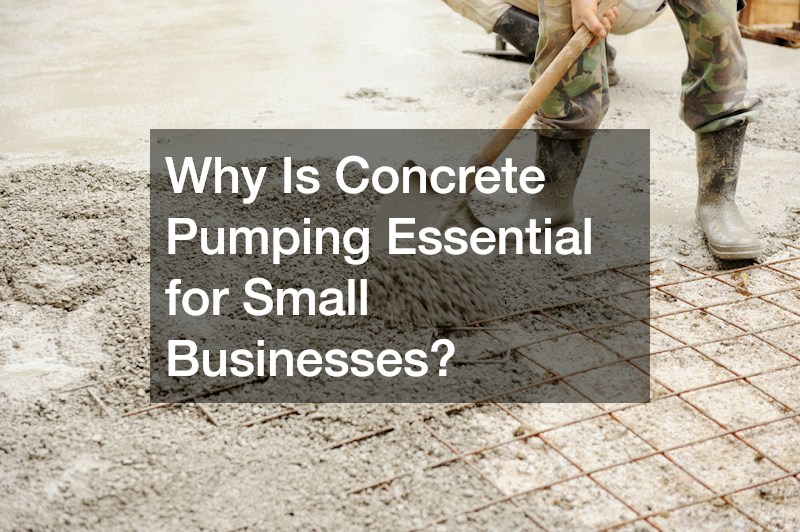
Construction and renovation projects often require concrete for foundations, sidewalks, loading areas, floors, and other structural elements. Concrete pumping makes these projects easier by transporting material directly to the placement area.
Benefits of Pumping Equipment
Unlike traditional wheelbarrow transportation, concrete pumping can move large quantities of material efficiently across difficult terrain or into otherwise inaccessible spaces. This reduces manual labor and helps crews maintain a consistent pouring schedule.
Pumping is particularly useful when working in confined commercial properties, elevated locations, or areas with limited vehicle access.
Planning and Choosing a Provider
Small businesses should consider project dimensions, concrete requirements, site accessibility, and equipment availability before scheduling a pumping service. The provider should understand the project’s specifications and coordinate effectively with other contractors.
Although pumping involves equipment and scheduling expenses, improved placement efficiency can offset some of these costs. Experienced operators also help reduce delays and support better project coordination.
How Does Office Furniture Impact Productivity?
The interior of a commercial space influences how employees work, communicate, and interact with customers. Selecting appropriate office furniture helps create an environment that balances comfort, functionality, and professional appearance.
Ergonomics and Workplace Layout
Desks, chairs, workstations, and storage systems should support employees throughout the workday. Adjustable chairs, appropriate desk heights, and monitor positioning can help reduce physical discomfort associated with prolonged computer use.
Furniture placement matters just as much as individual pieces. Open layouts can encourage collaboration, while designated private work areas provide opportunities for focused tasks and confidential conversations.
Design, Budget, and Long-Term Value
Furniture also contributes to company branding. Colors, materials, and overall design can reinforce the atmosphere a business wants to establish for employees and visitors.
Rather than purchasing the cheapest available products, consider durability, warranties, maintenance requirements, and employee comfort. Investing in quality furniture may reduce replacement expenses while supporting a more productive workplace.
What Role Does a Masonry Contractor Play in Business Aesthetics?

Exterior and interior masonry features can give a commercial property a distinctive appearance while providing structural durability. A qualified masonry contractor can help businesses incorporate brick, stone, concrete block, and other materials into functional architectural designs.
Enhancing Appearance and Structural Longevity
Masonry work can improve building facades, walkways, retaining walls, entryways, and outdoor gathering areas. These features help establish a professional appearance while potentially increasing the property’s long-term appeal.
Proper installation is essential because poorly constructed masonry can develop cracks, water infiltration, and other problems. Contractors should understand material selection, mortar compatibility, drainage, and local construction requirements.
Maintenance and Project Costs
Routine inspections help identify deteriorating mortar joints, damaged bricks, and moisture-related issues. Addressing these problems early can prevent more extensive repairs. Property owners should also pay attention to discoloration, loose masonry, and visible cracks, as these may indicate underlying structural or drainage concerns. Keeping gutters and downspouts clear can further reduce water exposure and help preserve the condition of exterior masonry. Consistent maintenance protects the building’s appearance while extending the lifespan of its masonry features.
Project costs depend on material availability, labor requirements, design complexity, and preparation work. When comparing contractors, review portfolios, references, insurance coverage, and detailed estimates to find a professional who can deliver lasting results. It is also important to discuss project timelines, material warranties, and any potential additional expenses before work begins. A contractor who communicates clearly and understands your property’s requirements can help prevent unexpected delays and budget overruns. Ultimately, investing in quality workmanship can reduce future maintenance costs and help ensure the finished project meets your business’s functional and aesthetic expectations.
Creating a commercial space that suits your small business requires careful planning and attention to both practical and aesthetic details. From dependable roofing and efficient insulation to secure entry systems, comfortable furniture, and attractive masonry, every improvement contributes to the property’s overall functionality. Choosing experienced professionals and prioritizing long-term value over the lowest initial price can help prevent unnecessary expenses. By investing in the right materials, services, and design decisions, you can establish a commercial environment that supports employees, welcomes customers, and provides a dependable foundation for future business growth.